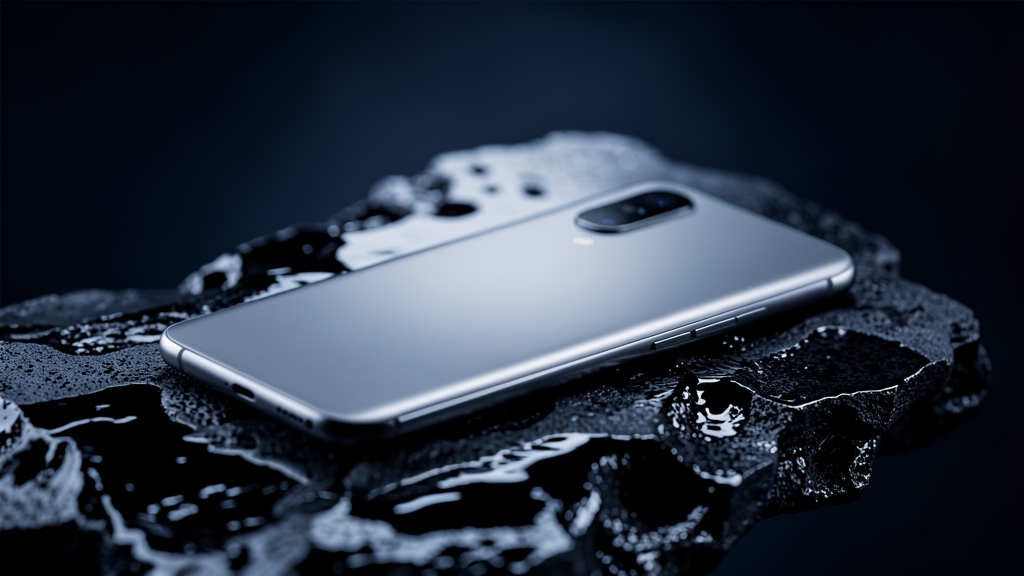
The smartphone industry has long been characterized by a cycle of predictable refinement: a slightly faster processor here, a marginally better camera lens there. However, the latest intelligence surrounding the upcoming iPhone 18 Pro suggests that Apple is preparing to break this pattern, moving toward a paradigm shift that prioritizes computational intelligence over raw hardware specifications.
The centerpiece of this transformation is the rumored A20 Pro chip. If the leaks hold true, Apple is set to transition to a 2nm fabrication process. This isn't merely a marginal gain in transistor density; it represents a significant leap in the efficiency and power of mobile computing. Moving from 3nm to 2nm allows for a massive increase in the number of transistors that can be packed into the same physical footprint, directly translating to higher performance-per-watt. In an era where mobile devices are increasingly expected to handle heavy computational loads locally, this efficiency is the difference between a device that stays cool and one that throttles under the weight of its own intelligence.
#### The Neural Core: AI as a Hardware Requirement
For years, "AI" has been a buzzword used to describe software-based optimizations. The iPhone 18 Pro appears to be the first device where AI is treated as a primary hardware requirement rather than a secondary feature. The transition to the A20 Pro chip is expected to include a massive overhaul of the Neural Engine.
The goal is clear: the democratization of Large Language Models (LLMs) on-device. While current iterations of mobile AI often rely on cloud-based processing to maintain speed and accuracy, the sheer throughput of a 2nm architecture suggests Apple is aiming for a "local-first" intelligence model. This has profound implications for privacy—a cornerstone of Apple's marketing—as complex reasoning and generative tasks can be handled without sensitive data ever leaving the device. This shift moves the smartphone from a reactive tool to a proactive agent, capable of understanding context, anticipating user needs, and managing workflows with minimal latency.
#### Shrinking the Interface: The Dynamic Island Evolution
On the aesthetic front, the iPhone 18 Pro is rumored to be refining its most polarizing design element: the Dynamic Island. While the feature has become a staple of the iOS experience, the hardware constraints of the current pill-shaped cutout limit the seamlessness of the display.
Current reports suggest Apple is working toward a significantly smaller Dynamic Island, potentially utilizing new under-display sensor technology to minimize the visual footprint. This move is part of a broader industry trend toward "all-screen" immersion. By reducing the intrusion of the notch or cutout, Apple can increase the usable screen real estate and provide a more uninterrupted canvas for media consumption and multitasking. It is a subtle but critical step in the pursuit of a truly bezel-less smartphone experience.
#### The Computational Lens
The camera system, a perennial battleground for flagship devices, is also slated for a major rethink. Instead of merely chasing higher megapixel counts, the iPhone 18 Pro is expected to lean heavily into "Computational Photography 2.0."
The rumored upgrades point toward a more sophisticated integration between the sensor hardware and the A20 Pro’s processing capabilities. We are likely to see enhanced depth sensing and improved low-light performance driven by real-time AI reconstruction of image data. This means the device won't just capture light; it will "understand" the scene, applying sophisticated semantic segmentation to optimize texture, shadow, and skin tones with a level of nuance that currently requires professional-grade post-processing software.
#### Market Implications and the Pricing Paradox
However, this leap in technology comes with a significant economic question. The move to 2nm silicon is an incredibly expensive endeavor for any manufacturer. TSMC’s cutting-edge nodes command premium pricing, and as Apple integrates more sophisticated sensors and advanced display components, the Bill of Materials (BOM) for the iPhone 18 Pro is expected to climb.
This presents a challenge for Apple’s market strategy. We may see a widening gap between the standard iPhone models and the Pro tier, with the Pro models commanding a significant price premium to offset the cost of the 2nm silicon. For the consumer, the question becomes one of value: Is the leap to an AI-native device worth the higher entry price?
As we approach the next generation of mobile hardware, it is becoming increasingly evident that the era of "gadgets" is ending, and the era of "personal agents" is beginning. The iPhone 18 Pro, if these technical rumors are accurate, is not just a phone; it is a high-performance engine designed to power the next decade of human-computer interaction.