The Human Bottleneck: Why America’s Semiconductor Renaissance is Stalling
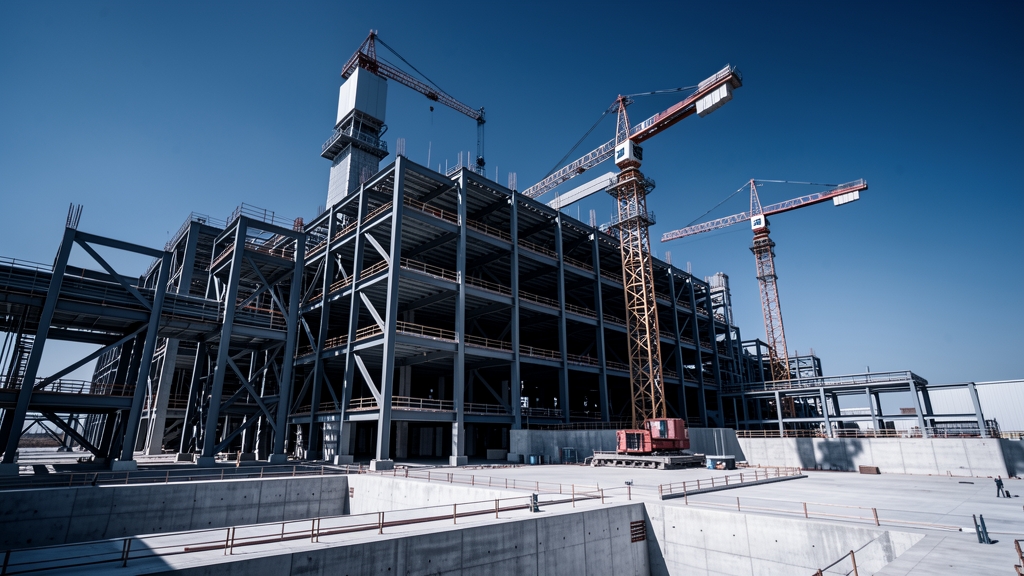
The blueprints are drawn, the funding is secured, and the massive steel skeletons of new semiconductor fabrication plants—"fabs"—are rising across the American landscape. From the desert expanses of the Southwest to the industrial corridors of the Midwest, the ambition is clear: re-establish the United States as the global epicenter of chip manufacturing. However, a quiet but devastating crisis is emerging from the construction sites. The machines are ready, the capital is flowing, but the people required to operate, maintain, and innovate within these ultra-high-tech environments are nowhere to be found.
A growing nationwide shortage of high-skilled workers is now the primary threat to the semiconductor revival. This is not a simple shortage of general labor; it is a profound deficit of highly specialized expertise that spans the entire spectrum of the semiconductor lifecycle, from material science and chemical engineering to the precise maintenance of extreme ultraviolet (EUV) lithography systems.
The Complexity Gap
To understand the scale of the problem, one must understand the environment of a modern fab. These are not traditional factories. They are some of the most complex, controlled environments on Earth. A single speck of dust can ruin a batch of silicon wafers worth millions of dollars. Consequently, the workforce requires a level of training that far exceeds standard manufacturing protocols.
The industry is facing a vacuum in several critical roles:
* Process Engineers: The architects of the microscopic patterns etched into silicon. They require advanced degrees and a deep understanding of quantum mechanics and chemical thermodynamics.
* Cleanroom Technicians: The frontline operators who manage the delicate balance of pressure, temperature, and humidity, ensuring that the "zero-defect" environment is maintained.
* Equipment Specialists: Modern lithography and etching machines are among the most sophisticated pieces of hardware ever created. Maintaining them requires a hybrid of mechanical engineering, optics, and software expertise that is exceedingly rare.
* Material Scientists: As the industry pushes toward smaller nodes and new transistor architectures, the demand for experts in thin-film deposition and advanced substrates is skyrocketing.
The mismatch is stark. While the industry is scaling up physical capacity at a record pace, the human "software" required to run these facilities is not being updated at the same rate.
The Education Mismatch
The shortage is not merely a failure of recruitment; it is a systemic failure of the educational pipeline. For decades, the focus of high-level STEM education has drifted toward software engineering and data science. While these fields are vital, the physical sciences—the bedrock of hardware manufacturing—have seen a relative decline in specialized vocational training and undergraduate focus.
Current academic models are struggling to keep pace with the industry's needs. Traditional four-year degree programs often move too slowly to incorporate the latest advancements in semiconductor fabrication techniques. Meanwhile, the community college sector, which historically provided the backbone of the manufacturing workforce, lacks the heavy-duty investment required to build the sophisticated lab environments necessary to train modern chip technicians.
There is also a geographic disconnect. Many of the new fabs are being built in regions that, while strategically chosen for land and incentives, may lack the established technical ecosystems and specialized talent pools found in traditional hubs like Silicon Valley or the Research Triangle.
Geopolitical and Economic Stakes
The stakes of this labor shortfall extend far beyond corporate balance sheets. The push to reshore semiconductor manufacturing is a matter of national security and economic sovereignty. In an era where chips power everything from autonomous vehicles to advanced missile guidance systems, a domestic supply chain is a strategic imperative.
If the United States cannot staff its new fabs, the entire logic of the domestic revival collapses. Delays in facility readiness lead to delayed production timelines, which in turn lead to higher costs for end-users and a continued reliance on overseas manufacturing hubs. This vulnerability leaves the global supply chain susceptible to geopolitical volatility, potentially neutralizing the very stability that the current domestic investment aims to provide.
Furthermore, the cost of "buying" talent in a highly competitive market is driving up operational expenditures (OPEX) for semiconductor firms. As companies compete for a dwindling pool of experts, wage inflation is becoming a significant factor in the long-term viability of new domestic sites.
The Path Forward: Training as Infrastructure
Solving the chip worker shortfall requires viewing human capital with the same strategic importance as electricity or water. It cannot be solved by recruitment drives alone; it requires a fundamental restructuring of how technical expertise is cultivated.
Industry leaders are beginning to advocate for "workforce infrastructure" investments. This includes:
1. Public-Private Partnerships: Direct collaboration between chipmakers and educational institutions to create curriculum that is "fab-ready."
2. Specialized Apprenticeships: Moving away from purely theoretical learning toward hands-on, high-stakes training models that prepare workers for cleanroom environments before they even step foot on a job site.
3. Rapid Certification Programs: Developing short-term, intensive credentialing pathways that allow workers to transition from related fields—such as aerospace or precision machining—into semiconductor manufacturing.
4. Automation Integration: While automation can alleviate some of the manual labor burden, it actually increases the demand for high-level engineers capable of managing and repairing those very automated systems.
The silicon renaissance is currently a race against time. The industry has successfully mastered the art of building the machines; now, it must master the art of building the people.