For much of the current generative AI era, video production has been defined by a frustrating limitation: the "six-second loop." While models have become increasingly adept at rendering stunning textures and fluid motion, they have struggled with temporal consistency and narrative arc. A user could generate a beautiful shot of a mountain range or a close-up of a human eye, but stitching those disparate, flickering clips into a cohesive story felt more like a chore than a creative process.
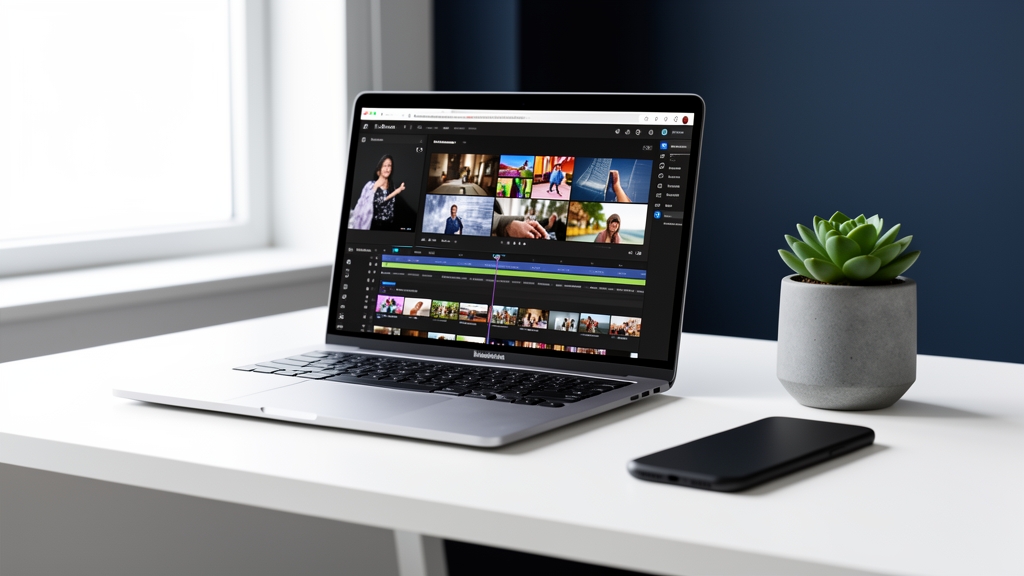
That limitation is beginning to dissolve. Google is fundamentally altering the landscape of AI-assisted production with a major update to Google Vids. By integrating the advanced capabilities of its Veo model, the platform is moving beyond the generation of isolated snippets and toward the creation of longer, multi-scene video sequences.
The Veo Engine: Powering Consistency
At the heart of this update is Veo, Google’s most sophisticated generative video model to date. Unlike previous iterations that functioned as standalone generators, the integration within Vids suggests a more systemic approach to video architecture.
The primary technical hurdle in AI video has always been "drift"—the phenomenon where characters, lighting, or environments change subtly but jarringly from one shot to the next. The new Vids update addresses this by allowing the generation of multiple, interconnected videos. This implies a heightened level of semantic understanding; the model isn't just looking at a single prompt, but is maintaining a "memory" of the visual context across a sequence of shots.
This capability allows users to build out scenes rather than just shots. A marketing professional can now prompt a sequence that follows a single product through various environments, or an educator can generate a multi-part instructional video where the visual style remains constant from the introduction to the conclusion.
Breaking the Duration Ceiling
Historically, AI video models have been computationally expensive, often forcing a trade-off between visual fidelity and video length. By optimizing how Veo interacts with the Vids interface, Google is enabling longer-form content creation that was previously the sole domain of traditional editors.
While the update does not render the need for human editors obsolete, it drastically lowers the barrier to entry for high-quality video production. The workflow is shifting from "prompt and pray"—where a user hopes for a good five-second result—to a more intentional "directorial" approach. Users can now orchestrate a series of clips that, when combined, form a substantive piece of media.
A Strategic Play for the Workspace Ecosystem
The implications of this update extend far beyond mere creative experimentation. This is a calculated move to fortify Google’s position within the enterprise and productivity sectors. While competitors like OpenAI with Sora and Runway have focused heavily on the "wow factor" of cinematic, standalone clips, Google is focusing on the utility of video.
By embedding these high-end generative capabilities directly into the Workspace ecosystem, Google is turning video into a standard component of business communication. We are seeing the transition of video from a specialized medium—requiring expensive hardware and software—to a ubiquitous tool akin to a slide deck or a document.
In a corporate environment, the ability to quickly generate a three-minute training video or a polished product announcement using nothing but text prompts and existing assets is a massive productivity multiplier. This integration positions Vids not just as a creative sandbox, but as an essential node in the professional workflow.
The Competitive Landscape: Narrative vs. Novelty
The tech industry is currently witnessing a divergence in AI video strategy. On one side, we see the pursuit of hyper-realistic, "Sora-level" cinematic immersion. On the other, we see the pursuit of "functional video"—tools that allow users to communicate ideas efficiently.
Google's update leans heavily into the latter. By focusing on multiple-video generation and longer durations, they are prioritizing the assembly of content. The battle is no longer just about who can make the most realistic single frame, but who can provide the most robust framework for telling a complete story.
However, this leap forward does not come without challenges. As generative video becomes more integrated into professional settings, questions regarding the authenticity of visual information and the ethical implications of AI-generated personas will only intensify. Google has signaled its intent to implement robust watermarking and metadata standards, but the rapid evolution of the Veo model ensures that the conversation around digital provenance will remain a central theme in the coming months.
The Democratization of the Lens
Ultimately, the Google Vids update represents a milestone in the democratization of visual storytelling. The "camera" is no longer a physical device held by a trained professional; it is a conceptual tool guided by intent and language. As the technology matures, the divide between those who can "film" and those who can "describe" will continue to blur, ushering in a new era where the only limit to video production is the breadth of one's imagination.