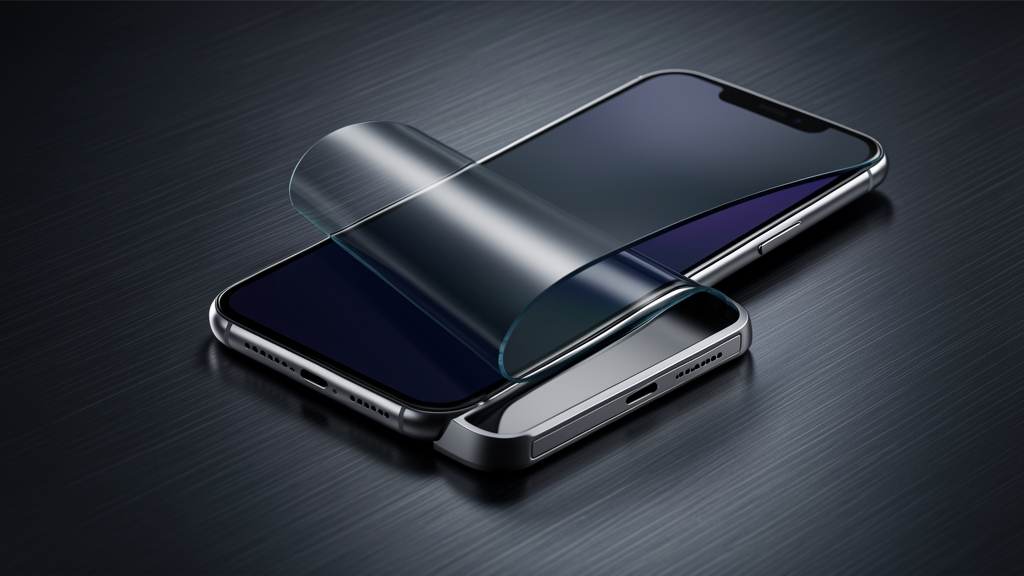
For years, the premium smartphone market has been chasing a ghost. It is a tactile imperfection, a visual ripple, and a structural vulnerability that has haunted every flagship foldable device to date: the crease. While the transition from "slab" phones to folding devices marked a monumental shift in mobile ergonomics, the mechanical compromise of the hinge has remained a stubborn barrier to mainstream adoption.
Now, internal reports suggest Samsung is preparing to move past the hinge entirely. The rumor mill is coalescing around a new hardware paradigm: the Galaxy Z Roll 5G. This is not merely a refinement of the existing Fold or Flip series; it is a fundamental reimagining of how a mobile display interacts with its chassis.
The Engineering Pivot: From Hinges to Motors
The core of the issue with current foldable technology lies in the physics of the fold. To create a device that opens like a book, engineers must use a hinge mechanism that forces the display to bend at a specific radius. No matter how advanced the ultra-thin glass (UTG) or the polyimide substrates become, the repetitive stress of folding creates a localized area of material fatigue. This results in the dreaded crease—a physical indentation that catches the light and interrupts the user's touch experience.
The Galaxy Z Roll seeks to bypass this mechanical bottleneck through motorization. Instead of a central axis that bends the screen, a rollable device utilizes a motorized spooling mechanism. The display is essentially a flexible, high-strength sheet that slides across a curved surface and rolls into a housing when not in use. By eliminating the sharp bend of a hinge and replacing it with the gentle, consistent curve of a roll, Samsung aims to deliver a seamless, uninterrupted viewing experience that mimics the perfection of a traditional smartphone.
The Technical Gauntlet: Tension and Durability
While the concept of a rollable screen sounds like science fiction, the engineering hurdles are immense. The transition from a static screen to a dynamic, motorized one introduces a new set of variables that engineers must master.
* Tension Control: A motorized screen must maintain a precise level of tension. Too much tension, and the delicate OLED layers risk tearing or micro-fracturing; too little, and the screen will "wobble" or sag when the user interacts with it.
* Motor Miniaturization: Integrating a silent, high-torque, and incredibly small motor into a device that is still expected to be pocketable is a significant feat of micro-engineering.
* Material Science: The display itself must be able to withstand thousands of cycles of rolling and unrolling without degrading the organic light-emitting diodes. This requires advancements in Thin-Film Encapsulation (TFE) to ensure that the moisture and oxygen barriers remain intact as the screen curves.
* The Spool Geometry: The housing that holds the rolled-up screen must be incredibly thin to avoid adding excessive bulk, yet robust enough to protect the display from internal pressure.
Market Impact: Reclaiming the Innovation Narrative
Samsung’s move is a strategic response to a shifting competitive landscape. While companies like Oppo and Xiaomi have showcased rollable prototypes at various industry events, Samsung has traditionally been the brand that perfects a technology before scaling it for the masses.
The foldable market has reached a plateau where incremental updates to hinge design are no longer enough to excite early adopters. To capture the next wave of premium consumers, the industry needs a "wow" factor that doesn't come with a list of compromises. If the Galaxy Z Roll can deliver a large-format screen without the aesthetic and functional penalties of a crease, it could effectively reset the standard for what a flagship device should be.
Furthermore, the "Roll" format offers a unique advantage in terms of aspect ratio. Unlike foldables, which often struggle with awkward screen proportions when opened, a rollable device can expand from a standard smartphone footprint into a tablet-like experience, providing a more natural transition for media consumption and multitasking.
The Road Ahead
The reported timeline for this technology suggests that we are still in the deep development phase. Bringing a motorized, rollable display to a consumer-ready product requires not just a breakthrough in design, but a revolution in manufacturing yields. Currently, the cost of producing such complex, moving parts at scale would likely push the device into a price bracket that could limit its initial reach.
However, the momentum is undeniable. As the industry moves away from the era of the rigid glass slab, the battle for the future of mobile computing is being fought in the realms of material science and micro-robotics. Samsung is clearly signaling that it is no longer content with merely folding the screen; it intends to let it breathe.
If the Galaxy Z Roll succeeds, the "crease" will go down in history as a temporary relic of an era when we were still learning how to bend the digital world to our will.